
Chemical Resistant Water Pumps
-

 FromOriginal price £87.00 - Original price £105.00Original price£87.00 £104.40£87.00 - £105.00Current price £87.00 £104.40 £104.40
FL Water Demand Pump - Automatic Diaphragm Surface Pump
Flood Protection Solutions- Perfect for watering gardens
- Pump turns off or on automatically when a tap is opened
- 230v / 110v / 12v/24v DC models available
Multi-Use FL Water Demand Pump FL demand water pump delivers reliable, automatic water pressure for domestic and light commercial systems. Activat...
View full detailsFromOriginal price £87.00 - Original price £105.00Original price£87.00 £104.40£87.00 - £105.00Current price £87.00 £104.40 £104.40 -

 FromOriginal price £275.00 - Original price £360.00Original price£275.00 £330.00£275.00 - £360.00Current price £275.00 £330.00 £330.00
Mizar and Mizar VOX Submersible Pump - Stainless Steel Corrosion Resistant Water Pump
Flood Protection Solutions- Manual and automatic models available
- Designed for consistent operation in challenging duties
- Pumps clean and dirty water
Stainless Steel Submersible Pumps for Clean & Dirty Water Applications The Mizar series is manufactured from high-grade 304 stainless steel, gi...
View full detailsFromOriginal price £275.00 - Original price £360.00Original price£275.00 £330.00£275.00 - £360.00Current price £275.00 £330.00 £330.00 -

 FromOriginal price £439.00 - Original price £849.50Original price£439.00 £526.80£439.00 - £849.50Current price £439.00 £526.80 £526.80
Mizar/s and Arvex/s Submersible Chemical Resistant Water Pumps - 316 Grade Stainless Steel
Flood Protection Solutions- Enhanced corrosion resistance
- Can be used for industry, light chemicals and final effluent
- Designed for consistent operation in challenging duties
- The maximum temperature of the liquids that can be used is 50 °C
Mizar 60/S & Arvex 150/S – 316 Stainless Steel Submersible Pumps The Mizar 60/S and Arvex 150/S are heavy-duty submersible pumps manufactured f...
View full detailsFromOriginal price £439.00 - Original price £849.50Original price£439.00 £526.80£439.00 - £849.50Current price £439.00 £526.80 £526.80 -
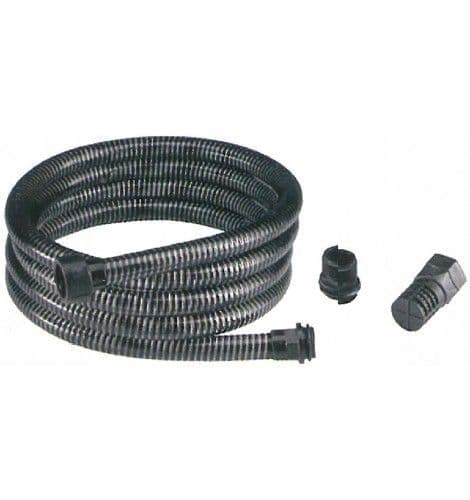
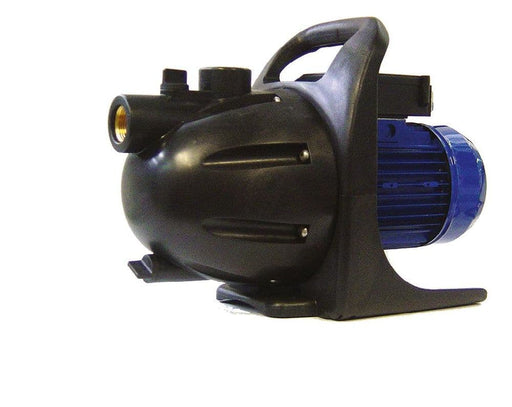 Original price £299.90 - Original price £299.90Original price£299.90 £359.88£299.90 - £299.90Current price £299.90 £359.88 £359.88
Speroni KS1100/PA Seawater Surface Jet Pump
Speroni- Portable seawater jet pump
- Self-priming
- Max suction lift: 8 metres
- Plastic body with 316 stainless shaft for seawater
- 230V single-phase
Portable self-priming jet pump built specifically for seawater, with plastic body and 316 stainless shaft. The KS1100/PA by Speroni Pumps is a port...
View full detailsOriginal price £299.90 - Original price £299.90Original price£299.90 £359.88£299.90 - £299.90Current price £299.90 £359.88 £359.88 -
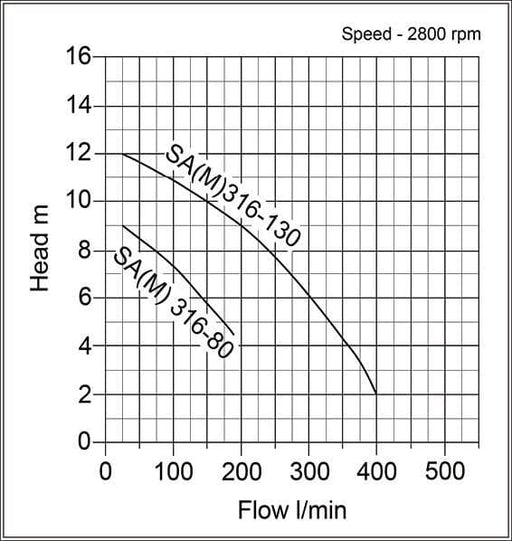
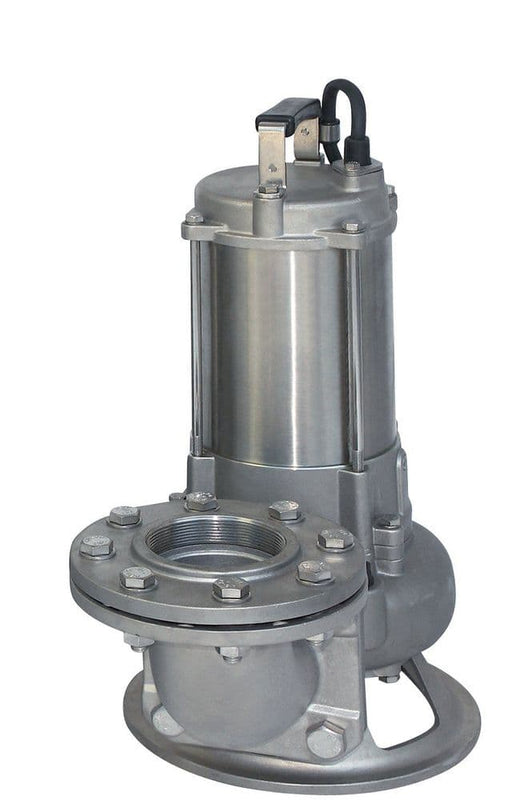 FromOriginal price £1,275.00 - Original price £1,495.00Original price£1,275.00 £1,530.00£1,275.00 - £1,495.00Current price £1,275.00 £1,530.00 £1,530.00
Speroni SA(M) Sea-Water Pump
Speroni- 'Marine Grade' construction
- Designed for sea water and salt water
- Double mechanical seals
Submersible 316 stainless steel pump for seawater, saltwater, and aggressive liquids. The SA and SAM are Speroni’s submersible seawater pump. Every...
View full detailsFromOriginal price £1,275.00 - Original price £1,495.00Original price£1,275.00 £1,530.00£1,275.00 - £1,495.00Current price £1,275.00 £1,530.00 £1,530.00 -
 FromOriginal price £490.00 - Original price £525.00Original price£490.00 £588.00£490.00 - £525.00Current price £490.00 £588.00 £588.00
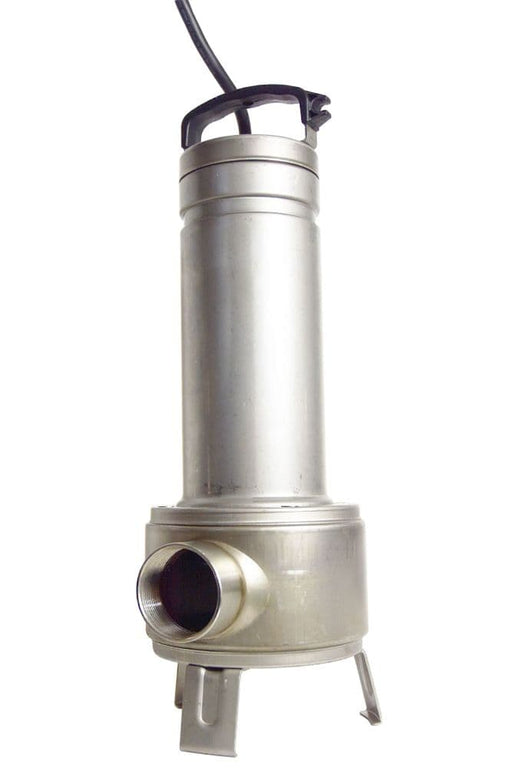
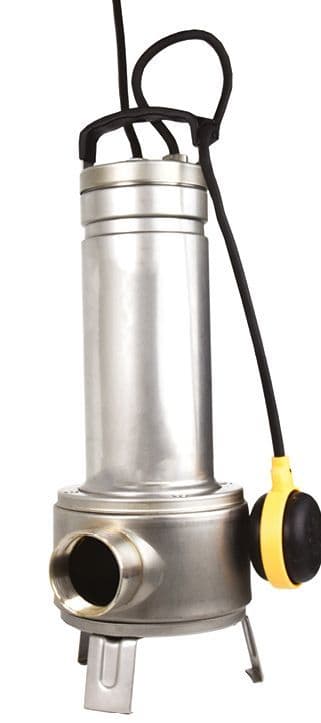
Speroni 304 Stainless Steel SXS Sewage Pump
Speroni- Stainless drainage pump for sewage with fibrous waste
- Handles water with fibrous material and suspended soft solids
- Full 304 stainless steel construction
- 50mm free passage, vortex impeller
- Two sizes: SXS 1000 (0.75kW, 230V) or SXS 2000 (1.5kW, 400V)
Submersible stainless steel drainage pump for sewage and septic tank work with fibrous waste. The SXS is a submersible Sewage Pump built enti...
View full detailsFromOriginal price £490.00 - Original price £525.00Original price£490.00 £588.00£490.00 - £525.00Current price £490.00 £588.00 £588.00 -

 FromOriginal price £1,590.85 - Original price £1,855.00Original price£1,590.85 £1,909.02£1,590.85 - £1,855.00Current price £1,590.85 £1,909.02 £1,909.02
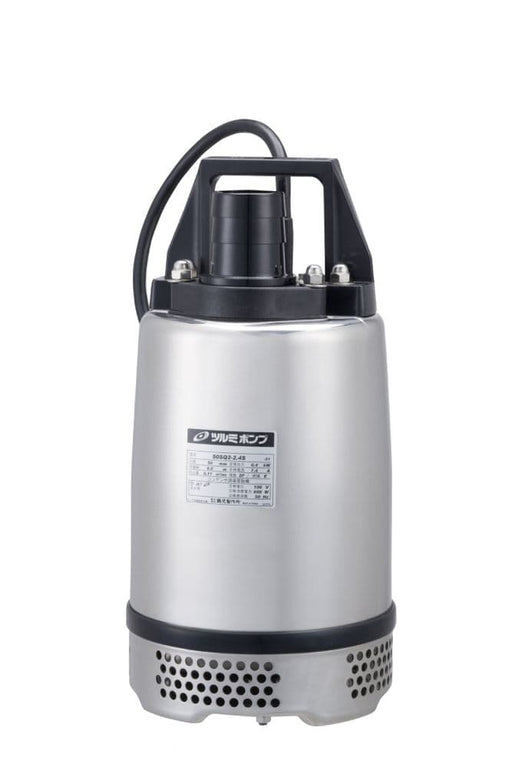
Tsurumi 304 Stainless steel SQ2-2 Pump
Tsurumi Pumps- Portable submersible pumps
- Perfect for chemical and corrosive use
- Can be used for food processing and aquaculture
The SQ2-2 series is constructed in 304 and 316 stainless steel and resin. Models have a water-cooled, top discharge design for applications where s...
View full detailsFromOriginal price £1,590.85 - Original price £1,855.00Original price£1,590.85 £1,909.02£1,590.85 - £1,855.00Current price £1,590.85 £1,909.02 £1,909.02


⚠️ Important: the limits of our chemical advice
These pumps are designed for light chemicals and salt water. They are not suitable for highly corrosive chemicals such as concentrated acids, strong alkalis, solvents or oxidisers.
Pumps are not tested against every chemical or every concentration. We cannot offer bespoke chemical compatibility advice for your specific liquid. The responsibility for confirming compatibility sits with the buyer or their engineer, using the manufacturer chemical resistance data and the pump's published wetted-parts specification. If in doubt, do not pump it.
What Makes a Pump “Chemical Resistant”?
The difference comes down to materials.
Standard pumps typically use cast iron and basic seals, which can corrode quickly. Chemical resistant pumps are built using:
- 316 stainless steel for improved resistance to salt and chlorides
- Thermoplastic or composite bodies that won’t rust or degrade
- Viton or EPDM seals selected for chemical compatibility
- Silicon carbide mechanical seals for longer life in harsh liquids
These materials don’t make a pump indestructible, but they significantly improve durability when used in the right conditions.
Submersible, Surface or Engine-Driven?
Choosing the right type depends on how and where the pump will be used:
Submersible Pumps
Designed to sit directly in the liquid. Ideal for tanks, sumps, bilges and flooded areas.
Typical uses:
- Tanks, sumps and chambers
- Boats, bilges and marine use
- Industrial and agricultural settings
Surface Pumps
Installed outside the liquid and draw it through a suction hose.
Typical uses:
- Transferring liquids between tanks, IBCs or containers
- Irrigation and washdown
- Situations where the pump needs to remain accessible
Engine-Driven Pumps
Used where no mains power is available.
Typical uses:
- Remote locations and agriculture
- Coastal or marine environments
- Emergency response and high-flow transfer
Typically constructed from corrosion-resistant materials such as glass-reinforced components and stainless steel fasteners, making them suitable for salt water and light chemical use. Must be operated outdoors.
Choosing the Right Pump
To narrow it down quickly:
- What are you pumping? (salt water, detergent, light chemical)
- Is power available? (electric or engine-driven)
- Where will it sit? (in the liquid or beside it)
- What flow do you need? (litres per minute at your required head)
If your application is unusual or more demanding, it’s worth checking compatibility before purchase.

Frequently Asked Questions
Can these pumps be used for seawater?
Yes. Many of the pumps in this range are designed for seawater and high-chloride environments, using 316 stainless steel and corrosion-resistant materials.
Can I use these pumps for strong chemicals or acids?
No. These pumps are intended for light chemical use only. Strong acids, solvents or highly aggressive chemicals require specialist equipment.
Do I need to check compatibility before buying?
For standard uses like salt water or detergents, the range is suitable. If you are pumping a specific chemical or higher concentration, it is good practice to check compatibility with the pump materials before use.


