
Irrigation Water Pumps for Watering Systems
-
 FromOriginal price £205.00 - Original price £420.00Original price£205.00 £246.00£205.00 - £420.00Current price £205.00 £246.00 £246.00
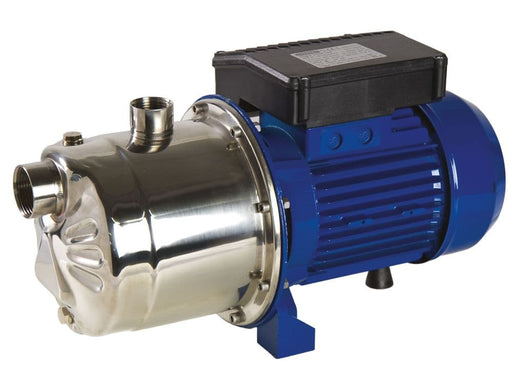
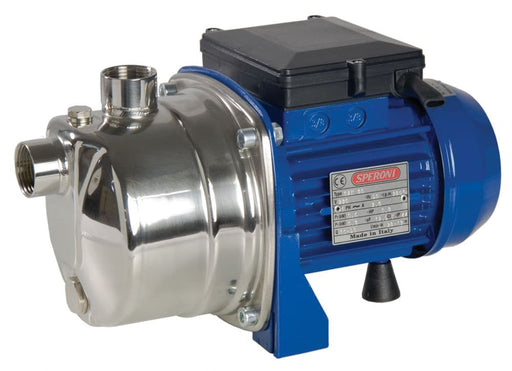
Speroni CA(M) Self-Priming Jet Pumps, Stainless Steel
Speroni- Stainless self-priming jet pump
- Self-priming
- Max suction lift: 8 metres
- Available in 110V, 230V single-phase, and 400V three-phase
- Not WRAS approved (non-potable use only)
Self-priming jet pump in stainless steel for garden, rainwater, and horticultural use where corrosion resistance matters. The CA(M) stainless steel...
View full detailsFromOriginal price £205.00 - Original price £420.00Original price£205.00 £246.00£205.00 - £420.00Current price £205.00 £246.00 £246.00 -
 FromOriginal price £625.00 - Original price £719.00Original price£625.00 £750.00£625.00 - £719.00Current price £625.00 £750.00 £750.00
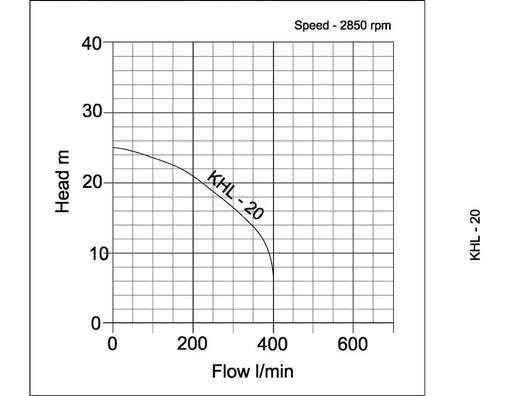
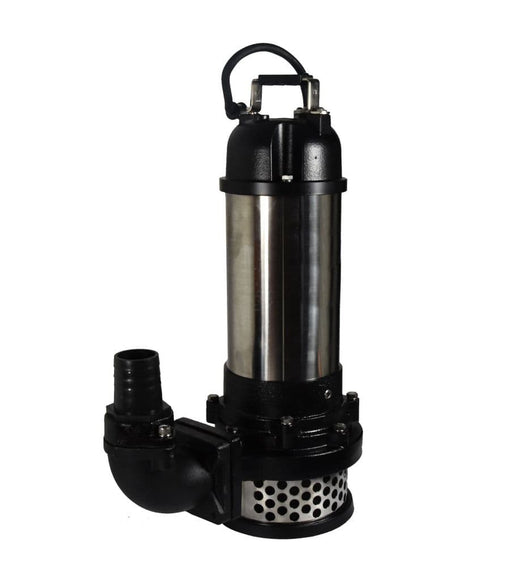
APP KHL-20 Submersible Water Pump - High Head
APP- High head (25m)
- Suitable for clean and dirty water
- Powerful motor
The APP KHL-20 pump has a rugged cast iron pump body and vortex impeller, combined with a corrosion resistant 304 stainless steel motor casing. It ...
View full detailsFromOriginal price £625.00 - Original price £719.00Original price£625.00 £750.00£625.00 - £719.00Current price £625.00 £750.00 £750.00 -
 FromOriginal price £294.00 - Original price £661.50Original price£294.00 £352.80£294.00 - £661.50Current price £294.00 £352.80 £352.80
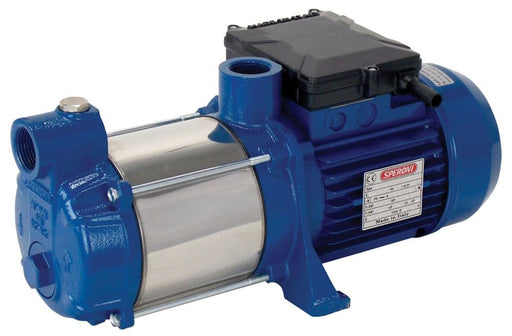
Speroni RA(M) Horizontal Self-Priming Multistage Pump
Speroni- Self-priming multistage pump for irrigation
- Max suction lift: 7 metres (with foot valve)
- Optional pressure controller
- 230V single-phase (RAM) or 400V three-phase (RA)
- Not WRAS approved (non-potable use only)
Self-priming multistage pump for garden water supply and rainwater pressurisation where the source is below the pump. The RA and RAM are multi-stag...
View full detailsFromOriginal price £294.00 - Original price £661.50Original price£294.00 £352.80£294.00 - £661.50Current price £294.00 £352.80 £352.80
Pump Selector Tool
Find the right irrigation pump for your setup.
A few quick questions about where your water comes from and what you're watering. We'll match you to the right pump from our range, with the head and flow it needs to perform reliably.
Step 1 of 4
01 / Use case
What are you watering?
This helps us understand whether you need a continuous-duty pump for sprinklers, a demand pump for occasional use, or a high-flow transfer pump for moving water across land.
02 / Water source
Where is your water coming from?
The source determines whether you need a submersible pump, a surface pump, or a specific borehole-format pump.
03 / Control
How do you want the pump controlled?
Some pumps run continuously when switched on. Others activate automatically when you open a tap, trigger or sprinkler valve.
04 / Performance
Quick sizing check
For pressurised irrigation, we need three numbers to pick the right model from the recommended range. If you're not sure, give your best estimate and we'll flag any concerns in the results.
Don't know your flow rate?
As a guide: garden sprinklers typically need 8–15 L/min each, impact sprinklers 15–30 L/min, and agricultural spray guns 60+ L/min. Add up everything running at once.
Recommendation
Your matched pumps
Important — indicative guidance only
The recommendations below are based on the information you've provided and are intended as a starting point, not a final specification. Real-world pump performance depends on factors this tool can't assess, including pipe condition, fittings, water quality, exact site conditions and seasonal demand variation. For complex or critical installations, engineering input may be needed to size the system correctly. Always verify against the pump's published performance data before purchasing.

Irrigation Water Pumps for Sprinklers, Drip Systems and Agriculture
Irrigation water pumps move water from a source to where it’s needed, whether that’s sprinklers, drip irrigation, hosepipes or agricultural spray systems.
Choosing the right irrigation pump comes down to three things: your water source, how far the water needs to travel, and the pressure and flow your system requires.
If you’re searching for a water pump for irrigation, pump for sprinklers, or garden irrigation pump, the starting point is always the water source.
Borehole Pumps for Irrigation Systems
Borehole pumps are designed for narrow, drilled shafts that access groundwater at depth. Their slim design and multi-stage impellers allow them to generate high pressure, making them ideal for lifting water vertically and pushing it over long distances.
They are typically used for:
- Agricultural irrigation
- Large sprinkler systems
- Polytunnels and paddocks
- Long pipe runs from deep water sources
If you need a high pressure irrigation pump or a pump for deep boreholes, this is usually the right option.
Well Pumps for Garden Irrigation and Tanks
Well pumps are used in wider shafts, wells, tanks and cisterns. They provide a balance between flow and pressure, making them suitable for domestic and small commercial irrigation.
The Divertron is a common choice for this type of setup. It automatically switches on and off when a tap or hose is opened, making it ideal for garden watering and general use. However, it is not typically suited to running sprinkler systems where consistent pressure is required.
These pumps are often used for:
- Garden irrigation systems
- Hosepipe watering
- Drawing from tanks or stored water
Surface Pumps for Irrigation and Water Transfer
Surface pumps sit outside the water source and draw water in through a suction hose. They are easy to install, access and maintain.
They are commonly used for:
- Water tanks, IBCs and bowsers
- Rainwater harvesting systems
- Boosting pressure for irrigation systems
The FL Demand Pump is often used by councils and contractors with battery-powered bowsers for watering plants in public spaces. It automatically switches on and off when a trigger or valve is opened and closed, making it efficient and easy to use. With its high head, it performs well over distance and can be used with a standard hosepipe.
If you’re looking for a 12V irrigation pump or battery powered water pump, this is a typical setup.
Submersible Transfer Pumps for Irrigation from Open Water
Where water is taken from rivers, lakes, ditches or reservoirs, a submersible transfer pump is often the right solution.
These pumps sit directly in the water and are designed to move large volumes over distance. They prioritise flow rate rather than pressure, making them suitable for:
- Agricultural irrigation
- Field watering
- Transferring water across land
The APP KHL-20 is a good example of this type of pump, designed for moving high volumes from open water sources where debris and sediment may be present.
How to Choose the Right Irrigation Pump
To select the right irrigation pump, focus on three key questions:
1. Where is your water coming from?
Borehole, well, tank or open water will determine the pump type.
2. How far does the water need to travel?
Consider both vertical lift and horizontal distance.
3. What pressure and flow are required?
Sprinklers, drip systems and spray nozzles all require specific performance levels.
Matching these requirements to a pump’s performance curve ensures reliable operation.


