
Sewage Pumps
-

 Original price £325.00 - Original price £325.00Original price£325.00 £390.00£325.00 - £325.00Current price £325.00 £390.00 £390.00
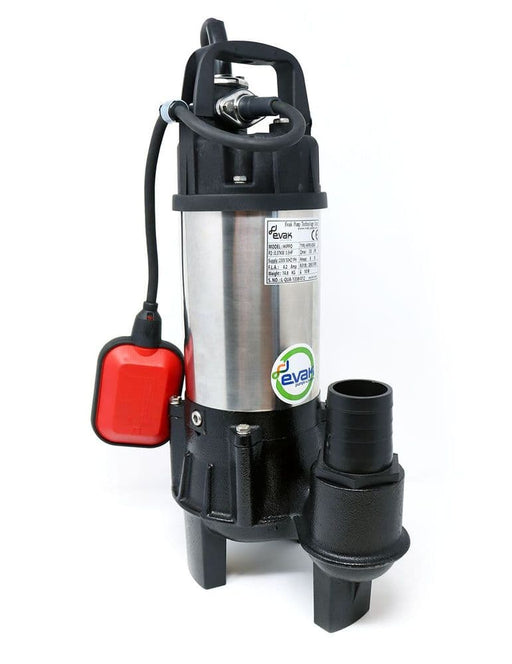
Evak Hippo 100 Sewage Pump (11m Head Lift) DN50-100
EVAK- Impressive Solids Handling (50mm free passage)
- Perfect for sewage, drainage and dirty water
- Heavy Duty
- Impressive Flow Rate
Dirty Water & Sewage Pump – 50mm Solids Handling Submersible Pump Why Choose the EVAK Hippo 100? The EVAK Hippo 100 is a robust, cost‑ef...
View full detailsOriginal price £325.00 - Original price £325.00Original price£325.00 £390.00£325.00 - £325.00Current price £325.00 £390.00 £390.00 -

 Original price £295.00 - Original price £295.00Original price£295.00 £354.00£295.00 - £295.00Current price £295.00 £354.00 £354.00
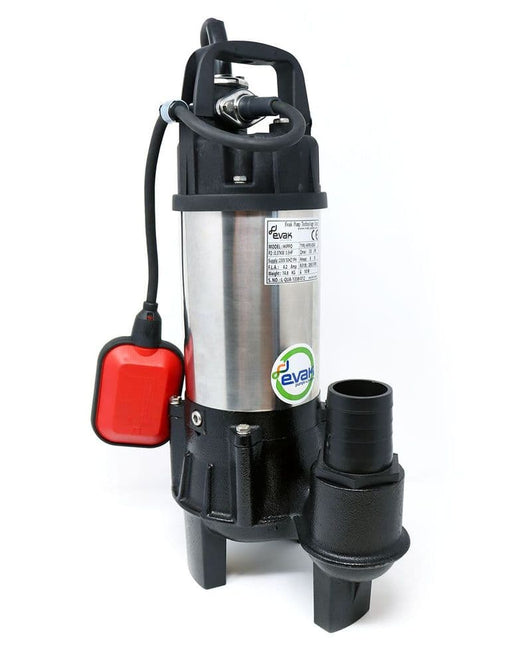
Evak Hippo 50 Sewage Pump (7m Head Lift) DN50-50
EVAK- Impressive Solids Handling (50mm free passage)
- Perfect for sewage, drainage and dirty water
- Heavy Duty
- Impressive Flow Rate
Dirty Water & Sewage Pump – 50mm Solids Handling Submersible Pump The Evak Hippo 50 Sewage Pump is a heavy-duty, submersible sewage pump engine...
View full detailsOriginal price £295.00 - Original price £295.00Original price£295.00 £354.00£295.00 - £295.00Current price £295.00 £354.00 £354.00 -

 FromOriginal price £199.00 - Original price £529.00Original price£199.00 £238.80£199.00 - £529.00Current price £199.00 £238.80 £238.80
APP SV Submersible Stainless Steel Sewage Pump
APP- Good solids handling capability (27mm-37mm)
- Perfect for sewage, drainage and dirty water
- Portable submersible pumps
- Manual or Auto, 110v or 230v
APP SV Submersible Sewage Pumps – Robust Wastewater, Dirty Water & Solids Handling Solutions The APP SV Submersible Sewage Pump range is a reli...
View full detailsFromOriginal price £199.00 - Original price £529.00Original price£199.00 £238.80£199.00 - £529.00Current price £199.00 £238.80 £238.80 -

 FromOriginal price £375.00 - Original price £1,665.00Original price£375.00 £450.00£375.00 - £1,665.00Current price £375.00 £450.00 £450.00
APP BCV Submersible Sewage Pump - Vortex Impeller
APP- Ideal for sewage treatment, agricultural, pumping stations
- Excellent solids handling capability (50mm-80mm)
- High flow
App Pumps now offer an even wider range of BCV pumps to choose from. Each of which comes with a full 2-year manufacturer guarantee. These submersib...
View full detailsFromOriginal price £375.00 - Original price £1,665.00Original price£375.00 £450.00£375.00 - £1,665.00Current price £375.00 £450.00 £450.00 -
 FromOriginal price £415.35 - Original price £801.45Original price£415.35 £498.42£415.35 - £801.45Current price £415.35 £498.42 £498.42
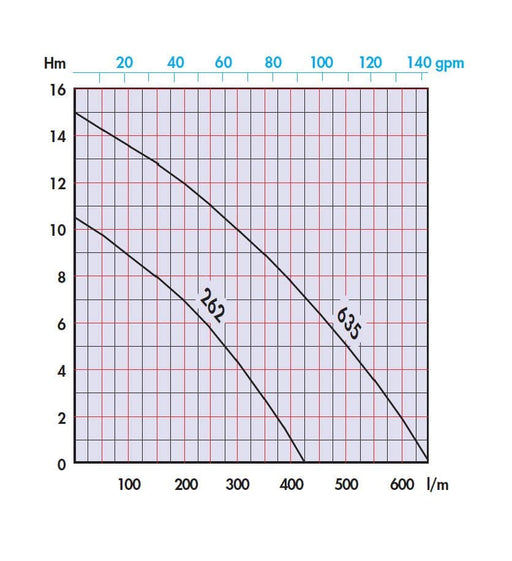
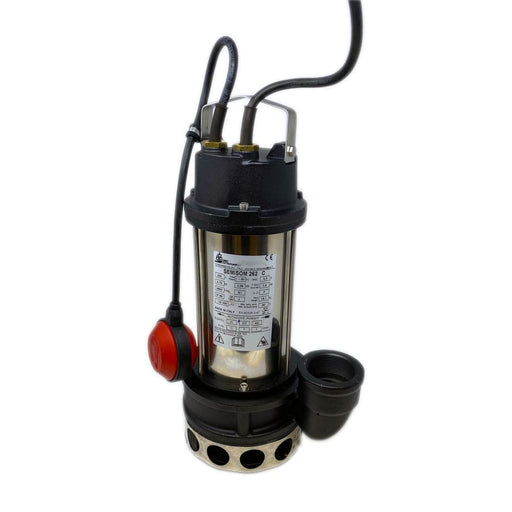
Semisom 262/635 Dirty Water Submersible Pump
BBC- Manual and automatic models available
- Solids handling capability of 32mm
- Pumps clean and dirty water
Submersible pumps for dirty water applications. The Semisom submersible pumps have been designed for dirty water drainage applications. The pumps a...
View full detailsFromOriginal price £415.35 - Original price £801.45Original price£415.35 £498.42£415.35 - £801.45Current price £415.35 £498.42 £498.42 -

 FromOriginal price £775.00 - Original price £1,030.00Original price£775.00 £930.00£775.00 - £1,030.00Current price £775.00 £930.00 £930.00
FPS Iguazu Sump Foul Pro | Packaged Sewage Pump Station | Uprated Pump (Hippo 100)
Flood Protection Solutions- Simple to install
- Sewage Pump
- Quiet in operation
- Supplied to the Environment Agency
FPS Iguazu Sump Foul Pro Packaged Pump Station Overview The FPS Iguazu Sump Foul Pro is a packaged pump station designed to collect foul water from...
View full detailsFromOriginal price £775.00 - Original price £1,030.00Original price£775.00 £930.00£775.00 - £1,030.00Current price £775.00 £930.00 £930.00 -

 FromOriginal price £999.50 - Original price £1,555.00Original price£999.50 £1,199.40£999.50 - £1,555.00Current price £999.50 £1,199.40 £1,199.40
Speroni Cutty Grinder Sewage Pump
Speroni- Grinder pump for sewage pumping stations
- Two sizes: Cutty 200 (1.5kW) or Cutty 250 (1.85kW)
- 230V single-phase or 400V three-phase
- Cuts and pumps sewage, soft solids, and shreddable fibres
- Designed for long distances through small-bore pipe
Submersible grinder pump for pumping sewage long distances through small-bore pipe. The Cutty is a submersible grinder pump built for sewage stat...
View full detailsFromOriginal price £999.50 - Original price £1,555.00Original price£999.50 £1,199.40£999.50 - £1,555.00Current price £999.50 £1,199.40 £1,199.40 -

 FromOriginal price £640.00 - Original price £1,227.95Original price£640.00 £768.00£640.00 - £1,227.95Current price £640.00 £768.00 £768.00
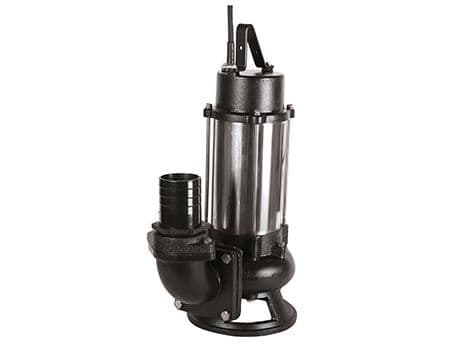
APP DSPK Submersible Cutter Sewage Pump
APP- Cutter Pump
- For sewage and industrial applications
- Good wear resistance
APP DSPK Submersible Cutter Pump – Heavy‑Duty Sewage & Wastewater Solids Shredding Solution The APP DSPK Submersible Cutter Pump is designed f...
View full detailsFromOriginal price £640.00 - Original price £1,227.95Original price£640.00 £768.00£640.00 - £1,227.95Current price £640.00 £768.00 £768.00 -
Original price £495.00 - Original price £495.00Original price£495.00 £594.00£495.00 - £495.00Current price £495.00 £594.00 £594.00
Evak Hippo 200 Sewage Pump (15m Head Lift, 50mm Outlet) DN50-200
EVAK- Impressive Solids Handling (50mm free passage)
- Perfect for sewage, drainage and dirty water
- Heavy Duty
- Impressive Flow Rate
Hippo 200 Submersible Dirty Water & Sewage Pump (230V & 400V) Why Choose the Hippo 200? The Hippo 200 is a heavy‑duty submersible sewage an...
View full detailsOriginal price £495.00 - Original price £495.00Original price£495.00 £594.00£495.00 - £495.00Current price £495.00 £594.00 £594.00 -

 FromOriginal price £765.00 - Original price £840.00Original price£765.00 £918.00£765.00 - £840.00Current price £765.00 £918.00 £918.00
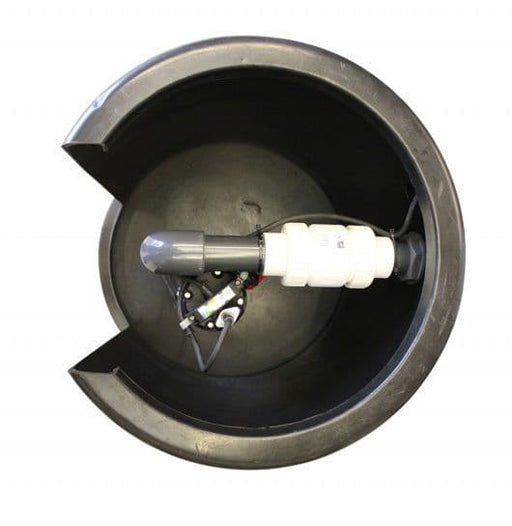
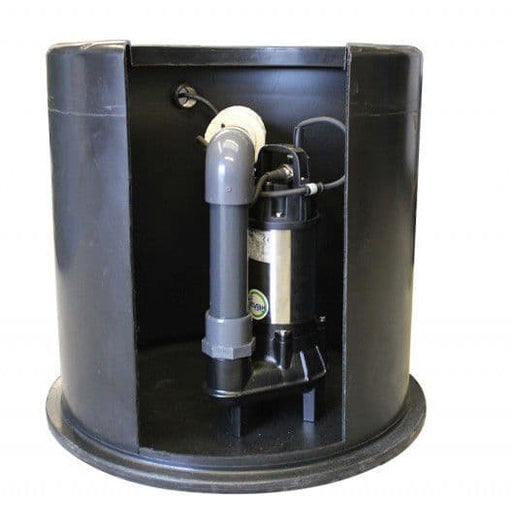
FPS Iguazu Sump FEKA | Stainless Steel Sewage Pump Station (FEKA VS 750)
Flood Protection Solutions- Simple to install
- Sewage Pump
- Quiet in operation
The FPS Iguazu Sump FEKA is a premium packaged pump station, expertly designed to collect foul water from basements, ground floor extensions, or an...
View full detailsFromOriginal price £765.00 - Original price £840.00Original price£765.00 £918.00£765.00 - £840.00Current price £765.00 £918.00 £918.00 -
 FromOriginal price £735.00 - Original price £1,700.00Original price£735.00 £882.00£735.00 - £1,700.00Current price £735.00 £882.00 £882.00
FPS Iguazu Sump Foul | Packaged Sewage Pump Station (Hippo 50)
Flood Protection Solutions- Simple to install
- Sewage Pump
- Quiet in operation
FPS Iguazu Sump Foul Packaged Pump Station The FPS Iguazu Sump Foul is a packaged pump station designed primarily to collect foul water from baseme...
View full detailsFromOriginal price £735.00 - Original price £1,700.00Original price£735.00 £882.00£735.00 - £1,700.00Current price £735.00 £882.00 £882.00 -
 Original price £315.00 - Original price £315.00Original price£315.00 £378.00£315.00 - £315.00Current price £315.00 £378.00 £378.00
Evak Hippo 75 Sewage Pump (9m Head Lift) DN50-50
EVAK- Impressive Solids Handling (50mm free passage)
- Perfect for sewage, drainage and dirty water
- Heavy Duty
- Impressive Flow Rate
Evak Hippo 75 Submersible Water Pump – Heavy‑Duty Drainage & Sewage Applications The Evak Hippo 75 is a heavy‑duty submersible sewage and drain...
View full detailsOriginal price £315.00 - Original price £315.00Original price£315.00 £378.00£315.00 - £315.00Current price £315.00 £378.00 £378.00 -
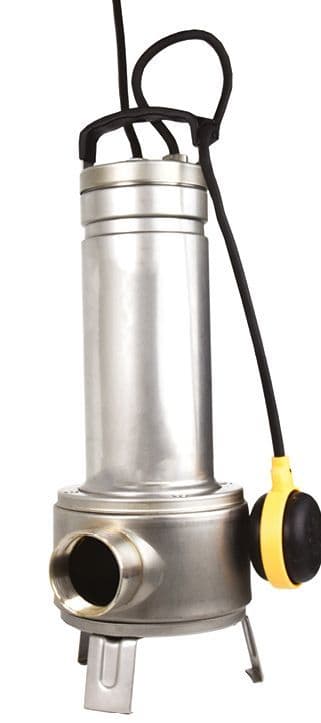 FromOriginal price £490.00 - Original price £525.00Original price£490.00 £588.00£490.00 - £525.00Current price £490.00 £588.00 £588.00
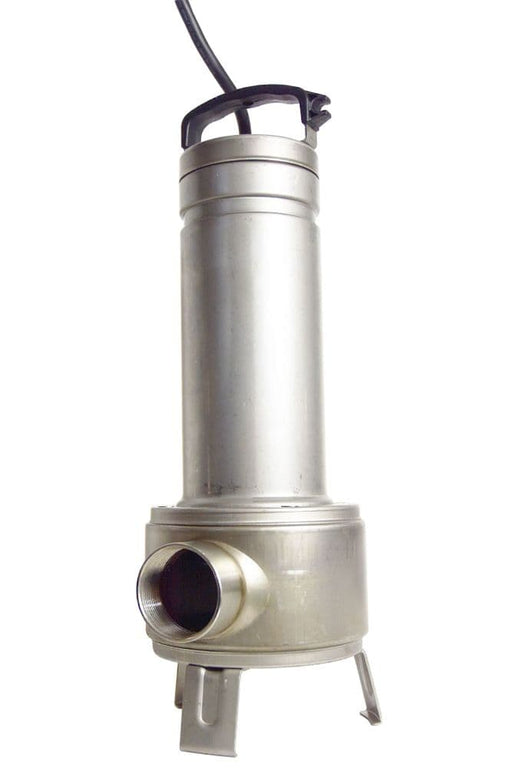
Speroni 304 Stainless Steel SXS Sewage Pump
Speroni- Stainless drainage pump for sewage with fibrous waste
- Handles water with fibrous material and suspended soft solids
- Full 304 stainless steel construction
- 50mm free passage, vortex impeller
- Two sizes: SXS 1000 (0.75kW, 230V) or SXS 2000 (1.5kW, 400V)
Submersible stainless steel drainage pump for sewage and septic tank work with fibrous waste. The SXS is a submersible Sewage Pump built enti...
View full detailsFromOriginal price £490.00 - Original price £525.00Original price£490.00 £588.00£490.00 - £525.00Current price £490.00 £588.00 £588.00


Sewage Pumps Overview
Sewage pumps (also called foul water pumps or wastewater pumps) are used wherever gravity drainage to the main sewer isn't possible.
The most common scenarios include basement bathrooms, properties built below street level, garden offices and annexes, cellar conversions, commercial kitchens, and sites where the fall on the drainage pipe is insufficient for gravity flow.
Unlike a standard submersible, a sewage pump is specifically engineered to handle liquids containing solids and organic matter. The technical term for this in pumping is "dirty water."
For a full technical walkthrough including gravity drainage gradients under Building Regs and BS EN 12056, Section 106 agreements, and system design, read our Ultimate Guide to Sewage Pumps.
Where Sewage Pumps Are Used
Sewage pumps are used across a wide range of applications:
- Basement bathrooms below the level of the street sewer, particularly common in London and Victorian terraces
- Garden offices, annexes and outbuildings where the fall to the main sewer is insufficient
- Packaged sewage pump stations for new builds, conversions and developments
- Commercial and industrial foul water systems including sewage treatment works
- Pump stations serving multiple properties on housing estates
- Agricultural and rural foul drainage where properties are off the main sewer
The preferred option on any build is always gravity drainage, which directs sewage to flow down the natural slope of the land. When that isn't possible, a sewage pump is required.
The Three Main Types of Sewage Pumps
Because sewage pumps have to handle liquids containing solids, they are built differently from standard water pumps. There are three main types:
1. Vortex Impeller Pumps
Vortex pumps are designed to allow unimpeded passage of solids. The impeller creates a whirlpool effect that moves solids through the pump without them ever touching the blades. Pumps like the EVAK Hippo 50, Hippo 75, Hippo 100 and Hippo 200 have a free passage of up to 50mm. In the product video you'll see them pumping table tennis balls through without clogging, or damaging the balls. Vortex pumps are the default choice for most domestic and light commercial sewage applications.
2. Cutter Pumps
Cutter pumps, like the APP DSPK Cutter Sewage Pump, are fitted with a cutting blade that chops solids into smaller pieces before pumping. They are ideal for fibrous materials, wet wipes and tough waste that would otherwise clog a standard pump. Cutter pumps are a strong choice where the downstream pipework is narrow or the pump is serving a public-facing site (pubs, offices, holiday lets) where non-flushables frequently enter the system.
3. Grinder Pumps
Grinder pumps, like the Speroni Cutty, use a grinding mechanism to reduce solids to a slurry, allowing the sewage to be pumped through small-bore pipework over long distances. They are commonly specified for sewage pumping stations where the discharge main is smaller than standard, or where long pipe runs make a grinder the most efficient option.
What Makes Sewage Pumps Different
A sewage pump sits on a stand inside a chamber and has large inlet openings to allow solids to pass through. This is the critical difference between a sewage pump and a puddle pump or drainage pump. A sewage pump cannot pump down to low water levels, because the openings required for solids handling would simply pass air once the level dropped.
Most sewage pumps use pendant float switches rather than tube floats or sensors, because pendant floats are far less likely to snag or clog in foul water.
Sewage pumps are designed to run in bursts (on-off cycles) rather than continuously. When the chamber fills, the float switch triggers the pump, and it runs until the level drops. This is why correct sizing matters: an oversized pump will short-cycle, which shortens the life of the motor and float.
Packaged Sewage Pump Stations
For installations that need a complete, ready-to-install solution (basement bathrooms, ground floor extensions, or any site where foul water needs collecting and pumping away), we supply Packaged Pump Stations, with options built around the Hippo and FEKA pump families.
Each packaged pump station is supplied with the chamber, pump, internal pipework, non-return valve and float switch, ready to install. We continue to expand this range.
Key Considerations When Choosing a Sewage Pump
- Head Height: The vertical distance the pump has to lift the water, plus friction losses along the pipe run. The first question on any sewage pump selection.
- Flow Rate: Needs to match the number of bathrooms or users served. A pump that's too small will short-cycle as the chamber refills faster than it empties.
- Solids Handling: 50mm free passage is the standard for domestic foul water. Cutter or grinder pumps should be specified where wet wipes, fibrous waste or small-bore discharge pipework are involved.
- Voltage: 230V single-phase for domestic, 400V three-phase for larger commercial pumps, 110V for site use.
- Automatic or Manual: Sewage pumps should nearly always be automatic (float-switched), so the tank is managed without operator intervention. It can also be common for a manual pump to be installed, and activated by a separate float switching mechanism.
- Chamber Size: The pump must be matched to the chamber size which should be large enough to allow the pump to run in sensible cycles, neither starving nor short-cycling.
For deeper reading on head, flow and system design, see our Ultimate Guide to Sewage Pumps or use the Water Pump Performance Calculator to work out pipe friction losses.
How to Read a Pump Curve
The single most common mistake when buying a sewage pump is picking one on maximum head or maximum flow alone. Both figures are the absolute top of the pump's range, and a pump working at its maximum head produces almost no flow, while a pump at maximum flow has almost no pressure left to push the water anywhere.
A pump curve plots head against flow and shows you what the pump will actually deliver at every point in between. Once you know the head you need to overcome (vertical lift plus friction losses along the pipe run), the curve tells you the flow rate you'll get at that head, which is the number that actually matters.
This short video walks through how to read a pump curve and select the right pump for your application:
Maintenance: De-Ragging Sewage Pumps
All sewage pumps can become "ragged" over time, particularly where wet wipes, sanitary products or other non-flushables have entered the system. De-ragging involves isolating the pump, lifting it from the chamber and clearing the impeller and inlet.
To minimise de-ragging, only flush toilet paper and organic waste down any toilet connected to a sewage pump. Wet wipes, even those labelled "flushable," are the single biggest cause of sewage pump callouts. If the site is public-facing or occupied by tenants, specifying a cutter pump or grinder pump from the outset will dramatically reduce maintenance calls.
Why Buy Sewage Pumps from Flood & Water Pumps?
We've spent years sourcing and testing sewage pumps across our hire, supply and consultancy work, and we only stock pumps we'd specify on our own drainage projects. Every pump in the range is backed by a manufacturer warranty (many with 2 or 3 years), supported by our UK helpdesk on 0115 987 0358, and held in stock at our Nottingham warehouse for next-day delivery across the UK.
If you're unsure which sewage pump is right for your application, call the helpdesk. We'd rather not sell you the wrong pump.
Need Help Designing a Foul Drainage Scheme?
We're the pump supply arm of Flood Protection Solutions Ltd, trading since 2012. Our sister company, also part of the FPS Group®, is FPS Environmental Ltd, who offer foul drainage design and consultancy for new builds, conversions, developments and pump station design, from initial concept and planning through to detailed system design.


