
Engine Driven Water Pumps
-
 FromOriginal price £556.00 - Original price £629.00Original price£556.00 £667.20£556.00 - £629.00Current price £556.00 £667.20 £667.20
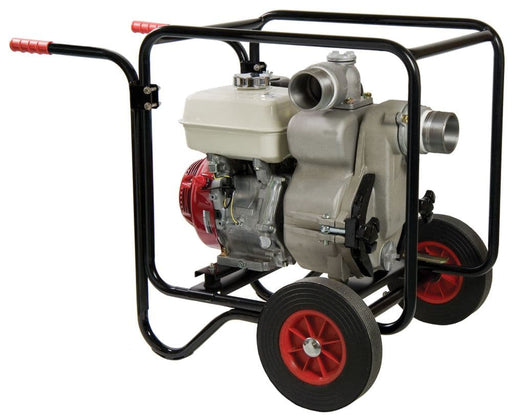
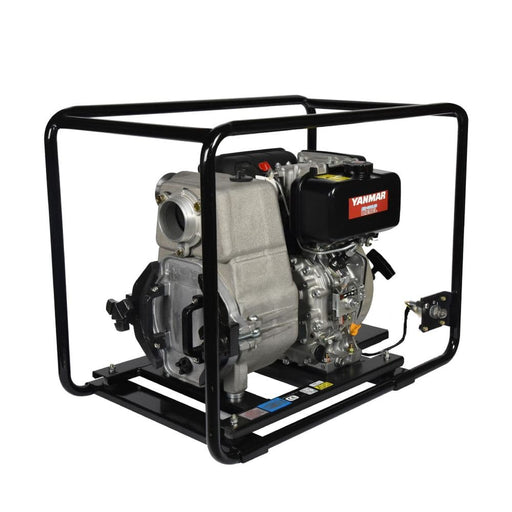
Tsurumi TDS Petrol Trash Pump
Tsurumi Pumps- Available in petrol engines
- Flow rates up to 2000ltr min
- Self-priming centrifugal pumps
The TDS range of pumps from TSURUMI is engine-driven pumps, available in either petrol or diesel-fuelled options. This range of pumps is ideally su...
View full detailsFromOriginal price £556.00 - Original price £629.00Original price£556.00 £667.20£556.00 - £629.00Current price £556.00 £667.20 £667.20 -

 FromOriginal price £416.50 - Original price £545.00Original price£416.50 £499.80£416.50 - £545.00Current price £416.50 £499.80 £499.80
Honda WX10, WB20 and WB30 Petrol Site Water Pumps
Tsurumi Pumps- Powered by Honda 4 stroke petrol engine
- Self-priming centrifugal pumps
- Popular with hire, utility and water companies
Honda WX & WB Petrol Water Pumps – Self‑Priming Centrifugal Pumps for Drainage, Construction & Hire The Honda WX and WB petrol water p...
View full detailsFromOriginal price £416.50 - Original price £545.00Original price£416.50 £499.80£416.50 - £545.00Current price £416.50 £499.80 £499.80 -
 FromOriginal price £324.38 - Original price £1,626.80Original price£324.38 £389.26£324.38 - £1,626.80Current price £324.38 £389.26 £389.26
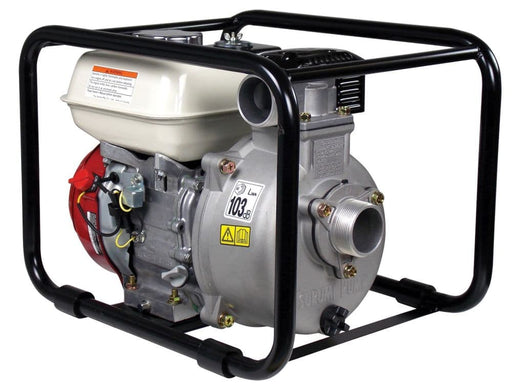
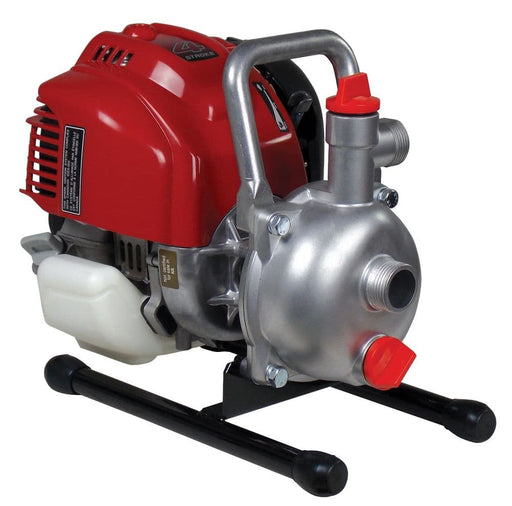
Tsurumi TE Petrol Site Pump
Tsurumi Pumps- Self-priming petrol centrifugal pump
- Powered by Honda 4 stroke petrol engine
- Abrasion resistant
surumi Pump present the TE series of engine driven, petrol pumps which are ideal for site water pumping through a centrifugal pump. The TE pumps ar...
View full detailsFromOriginal price £324.38 - Original price £1,626.80Original price£324.38 £389.26£324.38 - £1,626.80Current price £324.38 £389.26 £389.26 -
 FromOriginal price £1,567.02 - Original price £1,824.36Original price£1,567.02 £1,880.42£1,567.02 - £1,824.36Current price £1,567.02 £1,880.42 £1,880.42
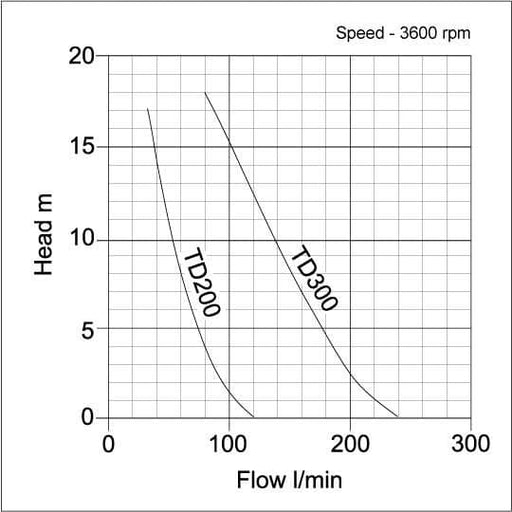
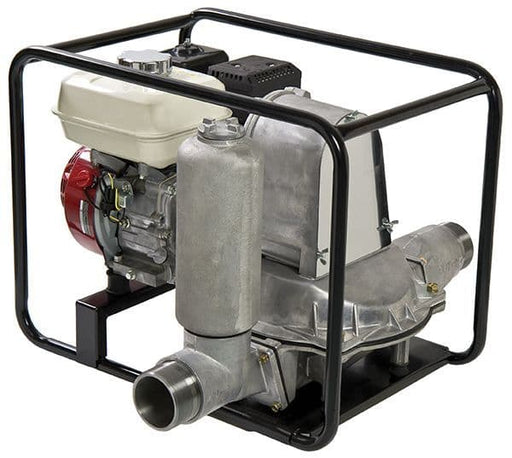
Tsurumi TD Petrol Diaphragm Trash Pump
Tsurumi Pumps- Suitable for trash, sand, silts and solids up to 30mm
- OHV Honda petrol powered automatic priming diaphragm pump
- Can run dry for short periods
TSURUMI pumps present their TD series, a range of engine driven, petrol powered, diaphragm pumps. The TD pumps are typically found in applications ...
View full detailsFromOriginal price £1,567.02 - Original price £1,824.36Original price£1,567.02 £1,880.42£1,567.02 - £1,824.36Current price £1,567.02 £1,880.42 £1,880.42 -
 FromOriginal price £225.00 - Original price £2,539.00Original price£225.00 £270.00£225.00 - £2,539.00Current price £225.00 £270.00 £270.00
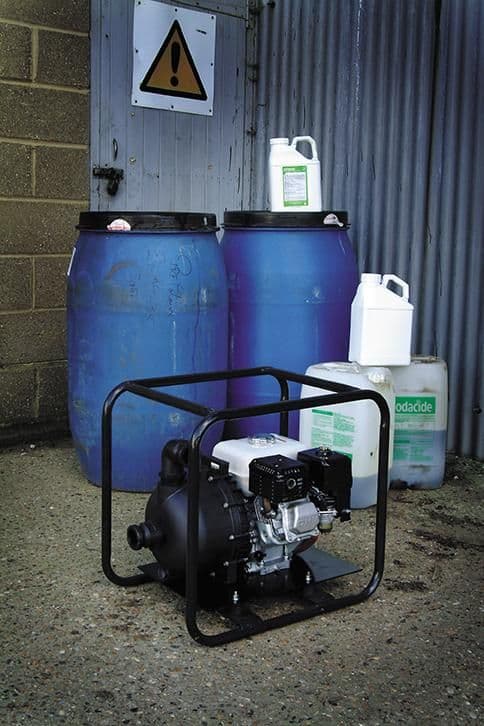
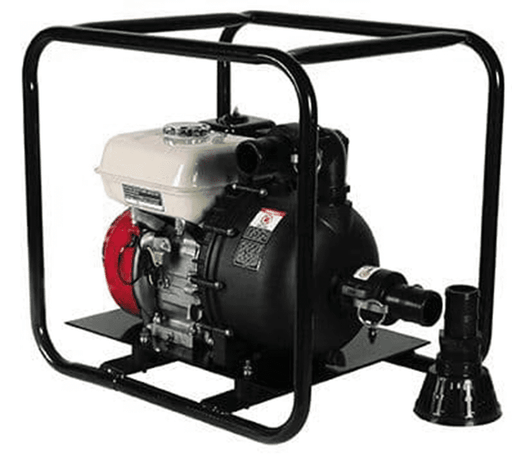
Poly Petrol or Diesel Chemical Seawater Pump
Tsurumi Pumps- Suitable for sea water, agricultural, chemicals and diesel transfer
- Self priming centrifugal pump
- Corrosion resistant
The Poly series of centrifugal pumps has been purpose built to aid the transfer of aggressive but non-abrasive liquids such as chemical and sea-wat...
View full detailsFromOriginal price £225.00 - Original price £2,539.00Original price£225.00 £270.00£225.00 - £2,539.00Current price £225.00 £270.00 £270.00 -
 FromOriginal price £225.00 - Original price £2,069.00Original price£225.00 £270.00£225.00 - £2,069.00Current price £225.00 £270.00 £270.00
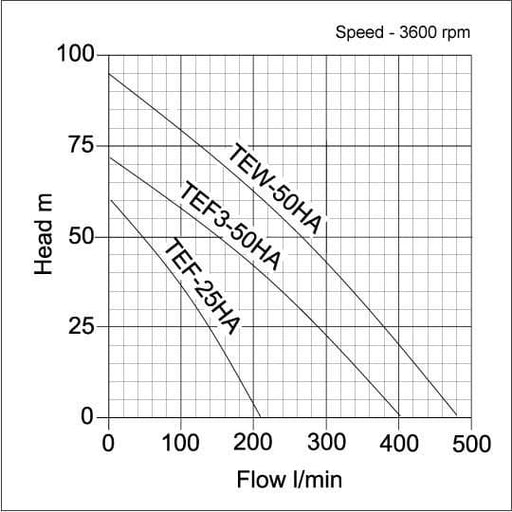
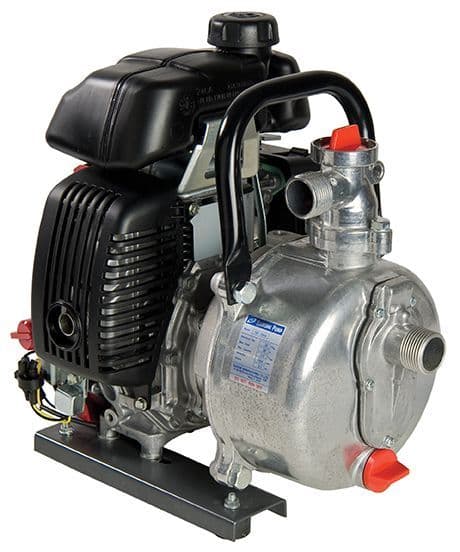
Tsurumi TEF TEW Petrol High Pressure Pump
Tsurumi Pumps- Honda OHV petrol engine
- High pressure water pump
- Can be used for firefighting, agriculture and waste dust suppression
TSURUMI are the manufacturers of the TES.TEW engine driven series of pumps. Fuelled by petrol, these are high head pumps that are powered by OHV Ho...
View full detailsFromOriginal price £225.00 - Original price £2,069.00Original price£225.00 £270.00£225.00 - £2,069.00Current price £225.00 £270.00 £270.00 -
 FromOriginal price £4,894.12 - Original price £5,234.18Original price£4,894.12 £5,872.94£4,894.12 - £5,234.18Current price £4,894.12 £5,872.94 £5,872.94
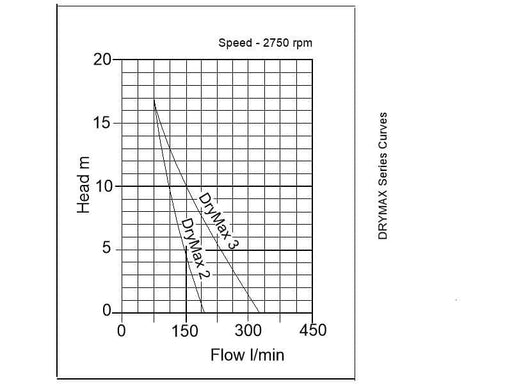
DryMax Diesel Powered Water Trash Pump
Tsurumi Pumps- Automatic priming diaphragm pump
- Perfect for pumping site sludge, mud, sewage, sand and solids up to 40mm
- Can run dry indefinitely
The engine driven Drymax pump is an auto-priming, diesel fuelled diaphragm pump. They are suitable in hire fleets, utilities, drainage, submerged l...
View full detailsFromOriginal price £4,894.12 - Original price £5,234.18Original price£4,894.12 £5,872.94£4,894.12 - £5,234.18Current price £4,894.12 £5,872.94 £5,872.94


What is an Engine Driven Water Pump?
An engine driven water pump uses a built-in petrol or diesel engine to drive the pump, rather than relying on mains electricity. This makes them fully portable and independent of any external power source.
They are surface-mounted pumps, meaning they sit outside the water and draw it in via a reinforced suction hose before discharging it through a delivery hose. This setup makes them ideal for temporary pumping, mobile use, and situations where submersible pumps are not practical.
If the pump needs to sit in the water or operate continuously in one location, a submersible pump is usually the better option.
Where Engine Driven Pumps Are Used
Engine driven pumps are typically used where power is not available or where mobility is required. Common applications include:
- Construction and dewatering – draining excavations, trenches and foundations
- Flood response – clearing surface water, fields and outbuildings
- Agriculture and irrigation – crop watering, livestock supply and tank filling
- Water transfer – moving water between tanks, ponds, rivers or storage areas
- General site use – any temporary or remote pumping requirement
They are also often used alongside flood defence systems as a backup in case of power failure, particularly on sites where resilience is critical.
Petrol vs Diesel Engine Pumps
Choosing between petrol and diesel depends on how the pump will be used.
Petrol engine pumps
- Lower upfront cost
- Lighter and easier to move
- Easier starting, especially after storage
- Well suited to occasional use, emergency response and smaller jobs
Diesel engine pumps
- Higher upfront cost
- Better suited to continuous or long-duration use
- Lower fuel consumption under sustained load
- Typically longer engine life in heavy-duty applications
For most users, petrol pumps are the more common choice. Diesel becomes more relevant for contractors, hire fleets and large-scale agricultural use.
Clean Water vs Trash Pumps
Not all engine driven pumps handle the same type of water.
- Clean water pumps are designed for relatively clear water with minimal solids. They are used for irrigation, transfer and general site drainage.
- Trash pumps are designed for dirty water containing silt, sand and small debris. These are typically used on construction sites and during flood events.
Using the wrong type of pump will reduce performance and can lead to blockages or damage, so matching the pump to the water type is important.
Flow Rate, Head and Performance
When selecting a pump, two key factors need to be considered:
- Flow rate (litres per minute) – how much water the pump can move
- Head (metres) – how far or how high the pump can push water
High flow pumps are used for moving large volumes over short distances. Higher head pumps are needed where water has to be lifted vertically or pushed over longer pipe runs.
In real installations, pipe length, fittings and bends will all reduce performance, so published figures should always be treated as a guide rather than an exact output.
Suction Lift and Setup
Because engine driven pumps sit above the water, they rely on suction to draw water into the pump.
In practical terms, suction lift should be kept to around 6 metres or less for reliable operation. Beyond this, pumps may struggle to prime or lose performance.
A proper setup includes:
- Reinforced suction hose (to prevent collapse under vacuum)
- A foot valve or strainer on the intake
- The pump casing filled with water before starting (priming)
If water needs to be lifted from greater depth, a submersible pump is usually the better solution.
Solids Handling and Strainers
Engine driven pumps use a strainer fitted to the end of the suction hose to control what enters the pump.
- Coarse strainers allow small solids and debris to pass through
- Fine strainers restrict solids where cleaner discharge water is needed
Unlike submersible pumps, the solids handling is largely dictated by the external strainer rather than an internal filter, so it can be adjusted depending on the application.
Transport and Site Use
Engine driven pumps are built for site use and mobility.
- Smaller pumps are typically mounted in tubular steel frames with anti-vibration mounts
- Larger units may be supplied with wheels or trolley frames for easier movement
- Frames also provide protection against impact and rough handling on site
This makes them well suited to construction environments, agricultural use and any application where equipment needs to be moved regularly.
Important Safety Information
Engine driven pumps must always be operated outdoors.
Petrol and diesel engines produce exhaust gases, including carbon monoxide, which is dangerous in enclosed or poorly ventilated spaces. These pumps should never be used inside basements, garages or buildings.
For indoor pumping applications, an electric submersible pump should be used instead.
Need Help Choosing?
Selecting the right engine driven pump depends on the water type, flow rate, head and site conditions.
If you’re unsure, our team can help you size the correct pump for your application. Call 0115 987 0358 or get in touch via email and we’ll point you in the right direction.

Frequently Asked Questions
Can I use an engine driven pump indoors?
No. Engine driven pumps produce exhaust gases, including carbon monoxide, which is dangerous in enclosed spaces.
They must only be used outdoors in well-ventilated areas.
For indoor use, choose an electric submersible pump
Can I use lay flat hose for suction?
No. Lay flat hose must never be used on the suction side.
It has no internal reinforcement and will collapse under vacuum, preventing water flow and potentially damaging the pump.
Always use reinforced suction hose on the inlet side.
Do I need a foot valve or strainer?
A strainer is essential on the suction hose. It prevents debris entering the pump and damaging internal components.
A foot valve is a one-way valve that keeps the suction hose full of water when the pump is switched off. This helps the pump prime more quickly when restarted.
For dirty water, use a coarse strainer. For cleaner applications, use a finer mesh.
What size hose do I need?
Hose size should match the pump’s inlet and outlet. For example, a 2 inch pump requires 2 inch hose.
Using smaller hose restricts flow and reduces performance. Using larger hose can work but requires additional fittings.
Common sizes include 1 inch (25mm), 1.5 inch (40mm), 2 inch (50mm), 3 inch (75mm) and 4 inch (100mm).
If you’re unsure, check the pump specification or call us on 0115 987 0358.
Where do I use suction hose, and where do I use lay flat hose?
Engine driven pumps have two sides: the suction side (from the water source to the pump) and the delivery side (from the pump to where the water is discharged). Each requires a different hose type.
On the suction side, always use reinforced suction hose. The pump creates a vacuum to pull water in, and without reinforcement the hose will collapse, stopping flow and potentially damaging the pump.
On the delivery side, lay flat hose is usually the best option. It is lightweight, easy to handle, and ideal for moving water over longer distances under pressure.
You can use rigid hose on the delivery side if needed, but never use lay flat hose on the suction side.
What is suction lift?
Suction lift is the vertical distance from the water level up to the centre of the pump. Engine driven pumps sit above the water and pull it up through the suction hose, which creates a physical limit.
The theoretical maximum is around 10 metres, but in practice you should allow a maximum of around 6 metres for water. Beyond this, pumps struggle to prime and lose performance. For fuel, the limit is typically 3 metres, and for oil around 2 metres.
If you need to pump from greater depth, consider using a submersible pump instead
What is head height?
Head height is the total vertical distance from the water source to the highest point in the system. It indicates how much pressure the pump can generate.
For engine driven pumps, total head includes suction lift, delivery height, and losses from pipework, fittings and hose runs. Even long horizontal runs reduce performance due to friction.
Always compare your real setup against the pump’s performance data. A pump rated at 30m head will deliver significantly less flow at higher lift levels.
How does head height relate to pressure?
As a rule of thumb, 10 metres of head is roughly equal to 1 bar of pressure (or 14.22 PSI).
So a pump with a maximum head of 30 metres can generate around 3 bar. This is useful when working with irrigation systems or equipment that specifies pressure rather than head.
This is an approximation and assumes clean water with minimal losses, but it is accurate enough for pump selection.


