
High Head Water Pumps
-

 FromOriginal price £625.00 - Original price £719.00Original price£625.00 £750.00£625.00 - £719.00Current price £625.00 £750.00 £750.00
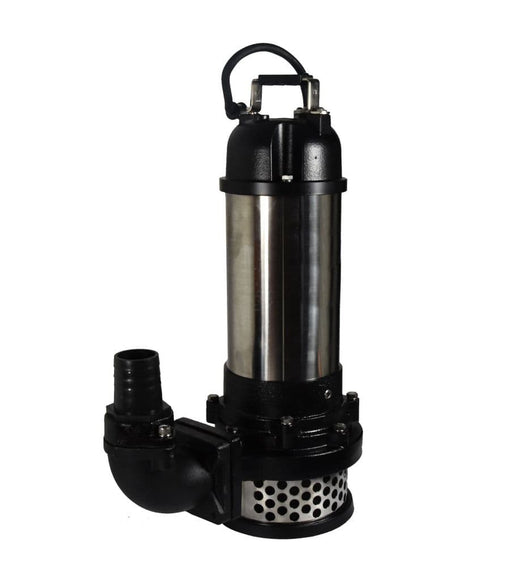
APP KHL-20 Submersible Water Pump - High Head
APP- High head (25m)
- Suitable for clean and dirty water
- Powerful motor
APP KHL-20 Submersible Water Pump – High‑Head Industrial Pump for Clean & Dirty Water The APP KHL-20 submersible water pump is a robust, high‑p...
View full detailsFromOriginal price £625.00 - Original price £719.00Original price£625.00 £750.00£625.00 - £719.00Current price £625.00 £750.00 £750.00

What is Pump Head?
Head is the maximum height of a vertical column of water that a pump can support if there were no other losses in the system, measured in metres. It is the technical term for the vertical lift a pump can achieve, and it is directly related to pressure. The greater the head, the higher the pressure the pump can generate, which is why high head pumps are sometimes called high pressure pumps.
Working Out the Head You Need
The head you need depends on the vertical lift, the horizontal pipe run, and the bends, valves and fittings in the system. To take the guesswork out of this calculation, use our Water Pump Performance Calculator. Enter your distances and pipe details and it will tell you the minimum head required for your application, so you can choose the right pump with confidence.
Submersible vs Surface High Head Pumps
The right type depends on where the water source is and how the system is configured. Our submersible borehole range covers wells, boreholes and shafts, while our selection of Speroni surface pumps covers above-ground pressure boosting, irrigation and water transfer applications.
| Pump Type | Best For | Typical Head Range |
|---|---|---|
| Submersible borehole | Deep wells, boreholes, shafts, drawing water from depth | 20m to 90m |
| Surface centrifugal | Pressure boosting, irrigation, water transfer above ground | Up to 60m |
| Surface multi-stage | High pressure for clean water boosting and small flows | Up to 80m |
Why High Head Pumps Look Different
High head pumps achieve their lift by stacking multiple impellers in series inside the pump body, with each impeller adding to the overall pressure. This is why high head submersible pumps are noticeably longer and narrower than standard submersibles, and why surface multi-stage pumps have a distinct elongated housing. Flow rate and head behave inversely on the same pump (higher head means lower flow at that point on the curve), so always check the pump curve at your required duty point rather than relying on headline figures alone.
Common Applications
- Boreholes and wells for domestic, agricultural or commercial water supply
- Irrigation systems where water must reach distant fields or elevated tanks
- Rainwater harvesting and tank pressure boosting
- Lifting water from basements, shafts or deep sumps to ground level
- Mains water pressure boosting in buildings
- Fountain features requiring significant head


