
Well and Borehole Pumps
-

 Original price £449.00 - Original price £449.00Original price£449.00 £538.80£449.00 - £449.00Current price £449.00 £538.80 £538.80
Divertron Submersible Well Water Pumps | Automatic Start Stop Electronics
Flood Protection Solutions- Automatic pump with built-in electronics
- Starts and stops with taps or hose use
- No external controller required
- Ideal for irrigation and water supply
Automatic Submersible Well Pump with Integral Electronics For Irrigation, Water Supply and Rainwater Systems The Divertron is a fully automatic sub...
View full detailsOriginal price £449.00 - Original price £449.00Original price£449.00 £538.80£449.00 - £449.00Current price £449.00 £538.80 £538.80 -

 Original price £299.50 - Original price £299.50Original price£299.50 £359.40£299.50 - £299.50Current price £299.50 £359.40 £359.40
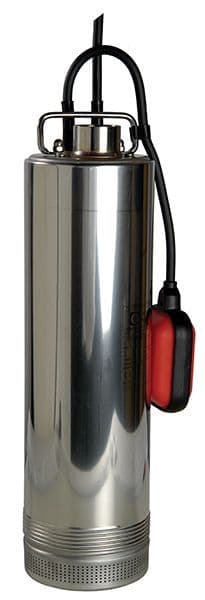
APP MVH-10 Automatic Well Pump 230v Auto - Ideal for Irrigation and Sprinkler Systems
APP- Best for irrigation and sprinkler systems
- Float-controlled automatic operation
- Suitable for tanks, wells and water butts
- Ideal for Irrigation and Sprinkler Systems
Automatic Submersible Pump for Water Butts, Irrigation and Sprinkler Systems Float Switch Controlled Pump for Clean Water Applications The MVH-10 i...
View full detailsOriginal price £299.50 - Original price £299.50Original price£299.50 £359.40£299.50 - £299.50Current price £299.50 £359.40 £359.40 -

 FromOriginal price £425.00 - Original price £615.00Original price£425.00 £510.00£425.00 - £615.00Current price £425.00 £510.00 £510.00
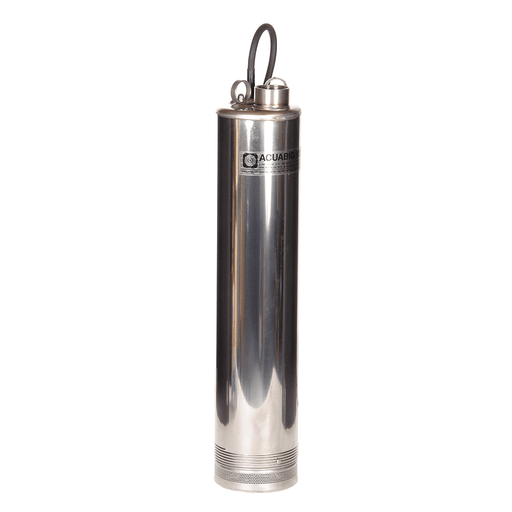
Umbra Pompe Acuatec Submersible Well Borehole Pump (5 inch)
Umbra Pompe- Balanced 5” borehole pump for pressure and flow
- Versatile option for most installations
- Manual or float switch versions available
- Ideal for irrigation and general water supply
5” Borehole Pump for Balanced Pressure and Flow The All-Round Balanced Option for Most Borehole Installations The Acuatec is a 5 inch submersible b...
View full detailsFromOriginal price £425.00 - Original price £615.00Original price£425.00 £510.00£425.00 - £615.00Current price £425.00 £510.00 £510.00 -
 FromOriginal price £39.00 - Original price £727.50Original price£39.00 £46.80£39.00 - £727.50Current price £39.00 £46.80 £46.80
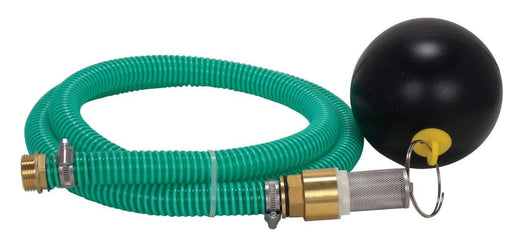
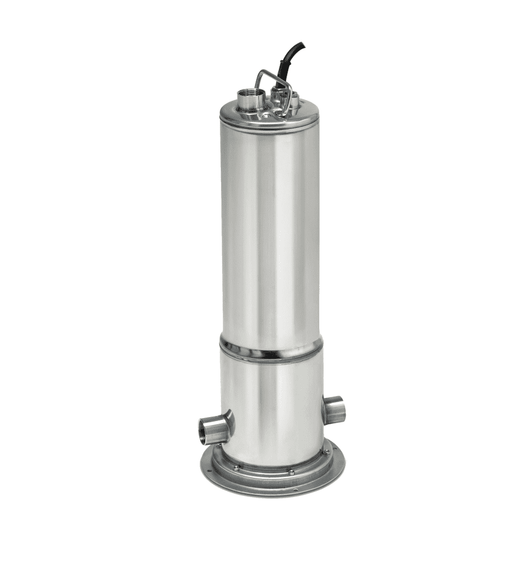
Umbra Pompe Acuasystem 2AL Rainwater Submersible Pump
Umbra Pompe- Submersible or surface rainwater pump system
- Ideal for tanks and rainwater harvesting
- Optional floating suction for cleaner water intake
- Manual or float switch versions available
Submersible or Surface Rainwater Pump Designed for Clean Water Systems and Tank Installations Unlike borehole pumps, the Acuasystem is designed for...
View full detailsFromOriginal price £39.00 - Original price £727.50Original price£39.00 £46.80£39.00 - £727.50Current price £39.00 £46.80 £46.80 -

 FromOriginal price £575.00 - Original price £815.00Original price£575.00 £690.00£575.00 - £815.00Current price £575.00 £690.00 £690.00
Umbra Pompe Acuabig Submersible Well Borehole Pump (5 inch)
Umbra Pompe- High flow 5” borehole pump with 2” outlet
- Designed for moving larger volumes of water
- Manual or float switch versions available
- Ideal for irrigation and agricultural use
5” Borehole Pump with 2” Outlet for Maximum Flow Highest Flow Option in the Well and Borehole Pump Range The Acuabig is a 5 inch submersible boreho...
View full detailsFromOriginal price £575.00 - Original price £815.00Original price£575.00 £690.00£575.00 - £815.00Current price £575.00 £690.00 £690.00 -

 FromOriginal price £530.00 - Original price £716.00Original price£530.00 £636.00£530.00 - £716.00Current price £530.00 £636.00 £636.00
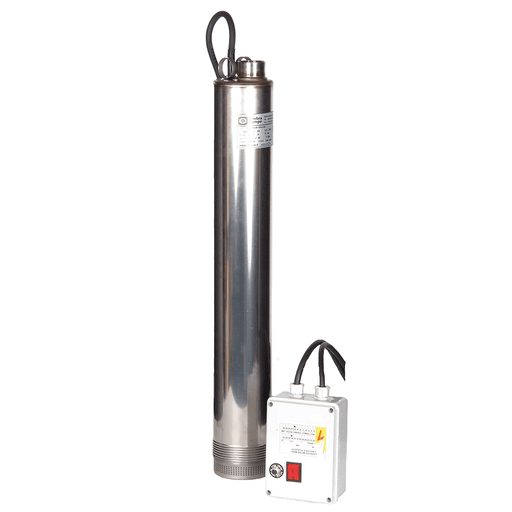
Umbra Pompe Acuasub Submersible Well Borehole Pump (4 inch)
Umbra Pompe- High pressure 4” borehole pump for deeper wells
- Manual pump with external control
- Handles clean water with light solids
- Designed for fixed installations
4” Borehole Pump for Higher Pressure and Deeper Installations Step Up from Entry-Level Borehole Pumps The Acuasub is a 4 inch submersible borehole ...
View full detailsFromOriginal price £530.00 - Original price £716.00Original price£530.00 £636.00£530.00 - £716.00Current price £530.00 £636.00 £636.00 -

 FromOriginal price £399.50 - Original price £455.00Original price£399.50 £479.40£399.50 - £455.00Current price £399.50 £479.40 £479.40
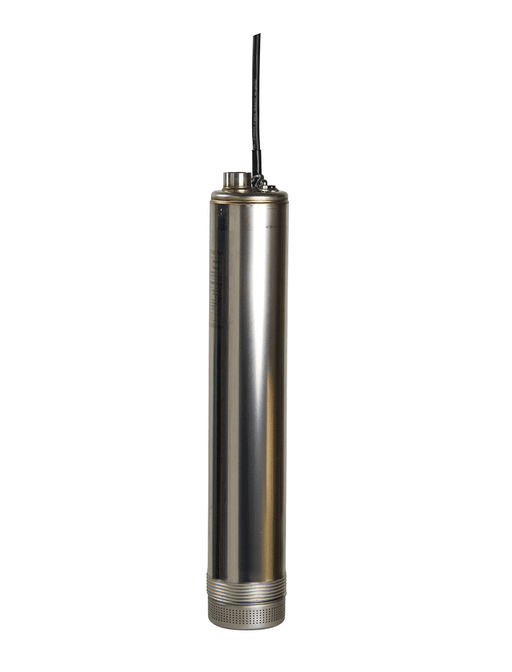
Umbra Pompe Eurojet Submersible Well Borehole Pumps (4inch)
Umbra Pompe- Entry-level 4” borehole pump for domestic and agricultural use
- High pressure pump for irrigation and supply
- Manual or float switch options available
- Simple and reliable design
4” Borehole Pump for Domestic and Irrigation Use Simple, Reliable Pump for Narrow Boreholes The Eurojet is a 4 inch submersible borehole pump with ...
View full detailsFromOriginal price £399.50 - Original price £455.00Original price£399.50 £479.40£399.50 - £455.00Current price £399.50 £479.40 £479.40


Well Pumps and Borehole Pumps Overview
Well and borehole pumps are specially designed high-pressure water pumps with a high head (pumping height).
They are typically long and narrow, allowing them to fit into tight spaces such as wells and boreholes, where standard pumps would not be suitable.
The pump’s head height is simply a measure of pressure. It tells us the greatest vertical distance the pump can move water from its source to where it exits.
As a guide, 10 metres of head is roughly equal to 1 bar of pressure
This is one of the most important things to understand when selecting a pump.

Interesting Facts on Well and Borehole Pumps
Springs and wells have been used as water sources for thousands of years, often influencing the location of towns and villages.
Places with names containing “Bourne” are linked to springs, derived from the Old English word burna, meaning spring. Examples include Bourneville, Eastbourne and Sittingbourne.
In England and Wales, groundwater sources account for around 33% of water supply, with nearly 2.5 billion cubic metres abstracted annually.
A borehole is a deep, narrow hole drilled into the ground using specialised equipment, typically to access groundwater.
They are drilled to specific diameters, which is why borehole pumps are designed to be long and slim, allowing them to fit within these confined spaces.
Where these pumps are used
As submersible pumps, well and borehole pumps are commonly used for:
- Spraying and irrigation, including sprinkler systems
- Pumping water from wells, tanks and stored water
- Agricultural and industrial applications
- High-pressure water transfer over distance or height
They are used wherever water needs to be lifted from depth and delivered under pressure.

How Borehole Pumps Work
Borehole pumps are constructed using corrosion-resistant materials to cope with minerals in soil and groundwater.
Their narrow design allows them to operate in confined spaces, while their internal construction is designed to generate pressure efficiently.

What Makes Borehole Pumps Different
Stacked Impellers in borehole pumps allow for several impellers to be positioned one on top of another, which significantly increases the head height. Typically, a pump will either provide high flow or high head.
The stacked impellers create high pressure, pushing water out under considerable force. In contrast, regular submersible pumps, which are wider with a single impeller, offer a higher flow rate but less pressure.

Need help figuring out “head” vs flow? Read: Pump Curves Explained: How to Understand Flow Rate and Head.
Well Pumps
Well pumps offer a compromise between flow and pressure.
They are generally wider than borehole pumps, which allows for higher flow rates, while still maintaining useful pressure.
A good example is the APP MVH-10 well pump, which is commonly used for:
- Garden irrigation
- Sprinkler systems
- Pumping from wells and tanks
The MVH has a side outlet and wider body, meaning it is suited to wells and tanks, but not narrow boreholes.
Understanding the Range
Choosing the right pump comes down to what you actually need it to do.
A simple way to understand the range:
- MVH Well Pump
Wider pump suited to wells, tanks and sprinkler systems. A good starting point for general use. - Eurojet
Entry-level borehole pump for basic setups and smaller installations. - Divertron
Intelligent pump with built-in electronics. Turns on automatically when a tap or hose is used. - Acuasub
High pressure pump for deeper wells and longer distances. - Acuatec
Balanced option providing both pressure and flow for most installations. - Acuabig
High flow pump with a larger 2” outlet for moving higher volumes of water. - Acuasystem
Designed for rainwater and tank systems. Can be used submerged or surface mounted, with optional floating suction to avoid debris.
How to Choose the Right Borehole or Well Pump
One of the most important factors is the head output, particularly when the pump is positioned several metres below ground.
The deeper the pump, or the further the water needs to travel, the more head is required.
You will generally find that taller pumps provide higher head, as they contain more stacked impellers.
Key Considerations When Selecting a Well or Borehole Pump Include:
- Head Output: The depth of the pump's position is crucial, as these pumps need a higher head output than standard submersible pumps. Generally, taller pumps offer higher head outputs due to additional impellers.
- Fit and Size: Borehole pumps are designed to fit snugly in narrow holes, whereas well pumps are wider, providing higher flow rates.
- Voltage Options: Well and borehole pumps are only available in 230V. 110V would typically lack sufficient power to operate the stacked impellers and provide the high head requirements.
- Automatic or Manual: You should consider whether the pump you require needs a float switch, and if there is sufficient space for this. The Divertron is a different form of automatic pump as it does not use a float switch, rather internal electronics which determine if a tap or valve has been opened, causing the pump to operate. Automatic pumps using float switches require space to operate, which is not always available in narrow boreholes.

Special Features
Divertron
The Divertron is a different type of automatic pump.
It uses integrated electronics to detect when a tap or valve is opened, switching the pump on and off automatically.
This makes it ideal for:
- Irrigation systems
- Hose use
- Washing vehicles or general outdoor use
Acuasub Range
The Acuasub range is designed for high-head applications, with capabilities of up to around 100 metres depending on the model.
It is suited to:
- Deep wells
- Long pipe runs
- Situations where pressure is critical
Not sure which pump you need?
Start by deciding what matters most: pressure, flow, or a balance of both.
Borehole pumps are designed for pressure. Some models prioritise flow. Others sit in the middle.
If you’re unsure, you’re usually looking for a balanced option.


